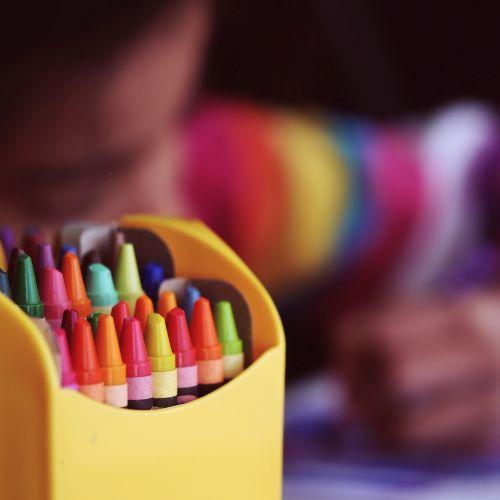
What is Sensory Play?
Sensory play includes activities that stimulate children’s senses such as sight, sound, smell, taste or touch. By providing this type of activity children will learn more about the world around them in a natural way, through their senses. Such activities contribute to brain development by stimulating the neurons in the brain to make connections, and help with development in all areas of learning.
Sight

The most commonly stimulated sense for young children is sight. From birth, babies are given brightly coloured and patterned toys to look at and play with. Exposing young children to new and interesting experiences will keep them curious about the world around them. Visually stimulating activities will enable children to use the sense of sight to discover colours, shapes, brightness, form and structure. They will discover how things move and develop a visual memory as to how things work.
Sound

Many toys for young children feature music and other various sounds. Music is extremely important for children and many learn best when a concept is set to music. Music can encourage motor skills development as children learn to dance and to keep a beat. Singing songs, listening to stories and talking about what they are doing all help children with sound and listening skills. Wind chimes, music boxes, shakers, objects to bang and music to listen and move to will all enhance this area of learning and development.
Smell

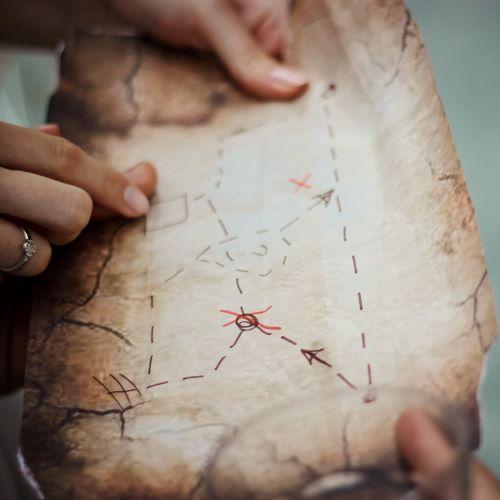
The sense of smell helps children to identify scents they like or don’t like and can be incorporated into planning in many ways. Try adding an array of fragrances into your treasure box, such as coffee, mint, lemon and lavender. Providing these different smells allows the children to differentiate between new scents and build on their learning through their sense of smell.
Touch
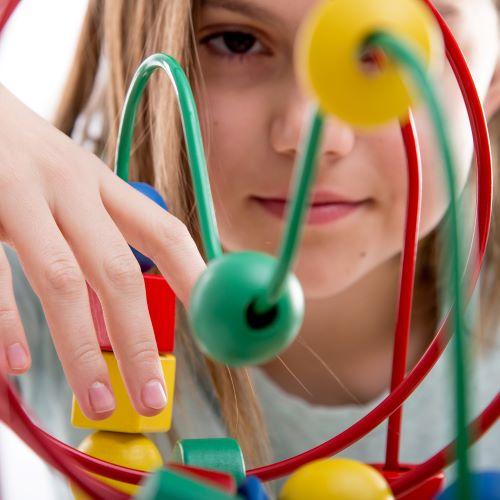
The sense of touch can be best explored through textures and messy play. Young babies like to snuggle in with soft blankets and investigate treasure baskets, older babies and toddlers will enjoy messy play activities to explore new textures. Going on a ‘touch’ walk will encourage children to touch new items for texture such as rough and smooth, wet puddles, tree bark and some plants.
Taste
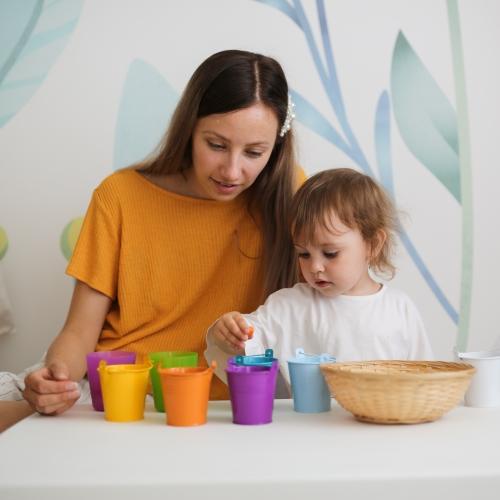
Through the sense of taste children will get to explore new foods, fruits and vegetables and decide which ones they like and do not like. Finger foods are a good way to encourage independence for toddlers so that they can feed themselves. Cooking activities will encourage children to join in the process of making meals and treats. They are more likely to try new things if they are involved in making and preparing them.
Play in Motion
Watch this simple video about sensory play including fun activities.
Activities
Let’s have some messy fun! Sensory play is an extremely hands-on activity, which lets kids engage with their senses through the exploration of different materials and textures through play. So you will never be short of ideas! There are a wide range of sensory play activities, which allow you to create a fun and flexible learning space in your early years setting. Here are some fantastic ideas and activities for sensory play.
Top 10 Activities
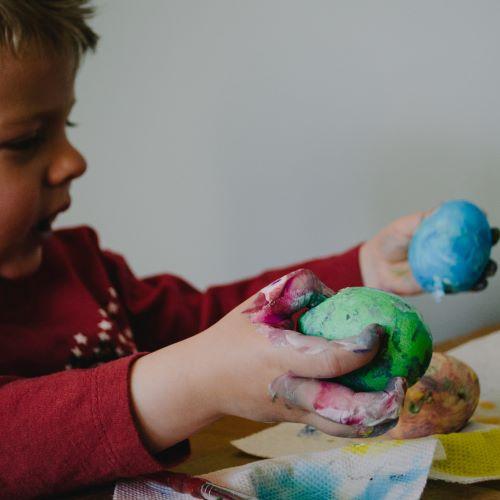
Activity One: Making and Painting Homemade Salt Dough
Simply combine salt, flour and water to create beautiful Salt Dough sculptures. Then get those Cutters and Rollers out to perfect your shapes – and add Glitter for an extra sparkle! Finally, pop your creations in the oven and once they are hardened, let the little ones paint them.
Activity Two: Play Dough
Cutting, squishing, rolling, and kneading. Soft Dough is perfect for stimulating sense of touch – toddlers will enjoy hours of soft dough fun!
Activity Three: Kinetic Sand
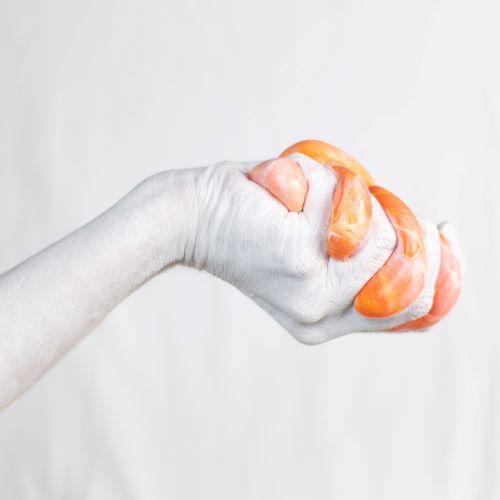
Mould, squeeze and build. Kinetic Sand flows through the fingers just like real sand – it’s that squeezable sand that you just can’t put down!
Activity Four: Shadow Puppets
Create spectacular Shadow Puppets and let the little ones explore light and shade. Perfect for storytelling!
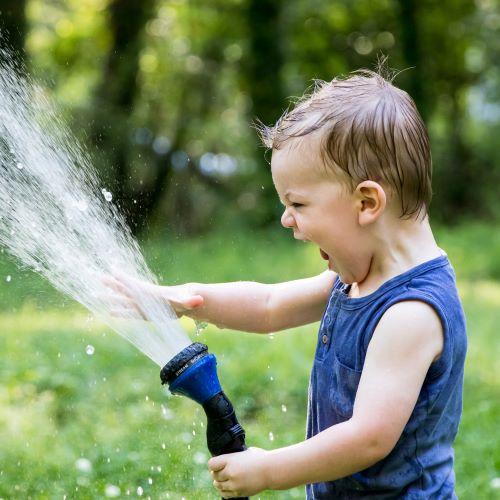
Activity Five: Water Play
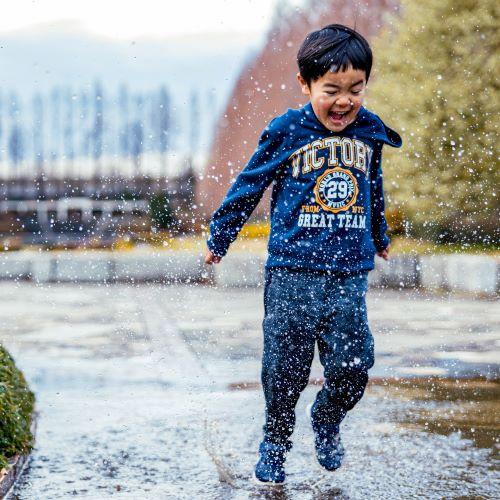
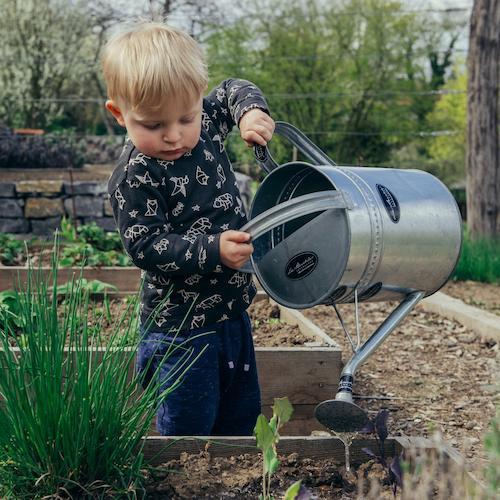
Pouring, scooping, splashing and bubbles! Water Play is an exciting sensory play activity, where children become absorbed with the ripples of the water – try out a variety of water play games!
Activity Six: Porridge Oats Construction
Empty a box of porridge oats, or other cereals, into a Tuff Tray. Then add Toy Diggers & Trucks for scooping, driving, digging and burying! Create wonderful porridge oats constructions – your kids will have a blast.
Activity Seven: Couscous Dinosaur Hunt
Fill a large Tub with couscous and bury toy Dinosaurs inside it. Then ‘hunt’ for your dinosaurs using brushes in an exciting Fossil Hunt.
Activity Eight: Make Pretend Snow
Feel the snow crunch between your fingers! Fake Snow is really easy to make with flour and oil – simply mix together 8 cups of cornflour and 1 cup of vegetable oil.
Activity Nine: Homemade Paint Bags
Fill zip lock bags with various coloured Paints and let the children enjoy squishing them and mixing the colours – without the mess!
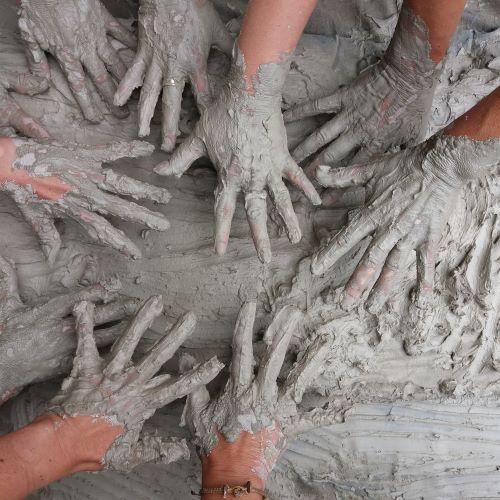
Activity Ten: Mud Pies
Rustle up some fabulous sludgy treats and enjoy the sensory experience (and mess) of sticky, gloopy and hard mud!
Help with Anxiety

Anxiety in children can look like many things. It can look like anger, sadness, grumpiness, self-doubt, or even a bad mood that your child can’t seem to shake. Big emotions like these are a normal part of childhood as children are still developing emotion regulation. Most of the time, these big emotions will come and go and kids bounce back happy to go on with their day. But what about when the bad mood seems to stick, when your child can’t seem to stop worrying, or when tantrums are frequent and intense? This can be an indication that your child is feeling some stress or underlying anxiety. A great way to help kids with anxiety is to bolster up their sense of self so they can distance themselves from their feelings. One of the best ways to help kids re-center when they are feeling worried or upset is to engage them in sensory play, its very nature is immersive and mindful.
6 Mindful and Sensory Activities
to Help Kids Regulate Emotions and Re-Centre